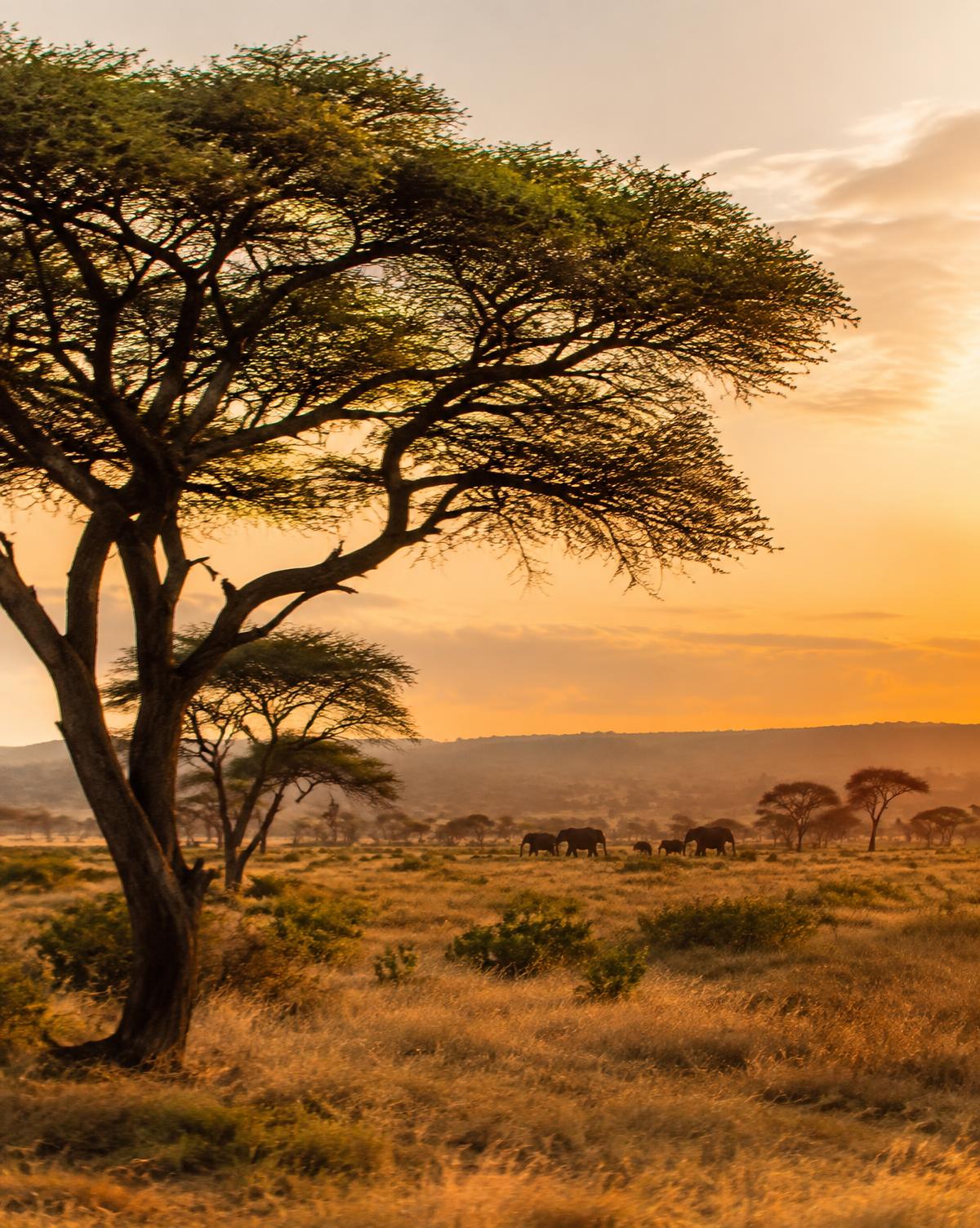
African Safari
Kenya and Tanzania, planned carefully and early.
Last reviewed September 2026
A safari is the trip that most rewards early, careful planning — and the one where the right season and the right camp matter more than the number of parks you visit. This hub begins with Kenya and Tanzania and will expand across southern Africa over time.
AFRICAN SAFARI at a Glance
Best for
Wildlife • Photography • Bucket-List Travel • Guided Journeys
- Ideal Stay
- 8–12 Days
- Best Months
- June to October for dry-season viewing; January to February in the southern Serengeti
- Currency
- Kenyan shilling (KES); Tanzanian shilling (TZS)
- Language
- Swahili and English
- Emergency
- Confirm locally — numbers differ by country and provider
Official resources
Within African Safari
Kenya
The Masai Mara, plus Amboseli and Samburu; strong road and light-aircraft connections.
Tanzania
The Serengeti, Ngorongoro Crater and Tarangire; larger distances, often flown.
Expanding coverage
South Africa, Botswana, Namibia, Zimbabwe and Zambia will join this hub as guides are published.
Overview
Most first safaris combine two or three camps over eight to twelve days, linked by short bush flights. Choosing fewer camps and staying three nights in each produces better wildlife viewing than moving daily.
Camps and lodges book out far ahead in peak season, which makes this the rare trip where accommodation is chosen before flights.
Why Visit
Guided wildlife viewing at a standard that is difficult to match elsewhere, in landscapes that photograph beautifully at both ends of the day.
- Expert guiding transforms what you see and understand
- Game drives run early and late, with restful middays
- Lodges and tented camps suit very different tastes — both are comfortable
Best Time to Visit
The dry season from June to October concentrates wildlife around water and offers the most reliable viewing, including the Mara River crossings in the Masai Mara. January and February suit the southern Serengeti calving season. Long rains in March to May bring green landscapes, lower rates and some camp closures.
How Many Days You Need
Eight days is a realistic minimum once long-haul flights are included. Ten to twelve days allows two or three camps, or a safari plus coastal time.
Transportation Between Parks
Light-aircraft bush flights link most camps, with strict luggage limits — commonly around 15 kg in a soft bag. Road transfers are possible between some parks and are long but scenic. Game drives are conducted in guided vehicles from your camp.
Lodge or Tented Camp?
Lodges are permanent buildings with more facilities and generally more space. Tented camps are canvas structures with proper beds and bathrooms, closer to the sounds of the bush, and often smaller and more personal. Neither is roughing it, and many itineraries include both.
Photography Considerations
A zoom lens in the 100–400 mm range covers most situations, with a second body or a wider lens for landscapes. Bring more memory cards and battery capacity than you expect, and a beanbag or soft support for resting long lenses on the vehicle.
Tipping Customs
Tipping guides and camp staff is customary in East Africa. Your camp or operator can advise current expected ranges — ask before arrival and carry small notes in cash for convenience.
Travel Insurance Considerations
Because safaris involve remote locations, internal flights and significant advance payments, travellers commonly review coverage for medical evacuation, trip cancellation and delayed baggage. Compare policy terms against your own itinerary rather than assuming standard cover applies.
Airports & Arrival
Nairobi Jomo Kenyatta International
NBOMain gateway for Kenya; bush flights often depart from Nairobi Wilson Airport (WIL) nearby.
Airport transport
- Camp-arranged transfers
- Bush flights from Wilson Airport
- Taxis and app-based rides in Nairobi
Kilimanjaro International
JROCommon entry point for northern Tanzania and the Serengeti circuit.
Airport transport
- Operator transfers to Arusha
- Light-aircraft connections to the parks
- Road transfers
Flight schedules, fares and transport services change. Check official airport and operator information close to your travel date.
Getting Around
- Light-aircraft bush flights between camps — strict soft-bag luggage limits
- Guided game-drive vehicles within the parks
- Long road transfers between some parks, arranged by your operator
- Airport transfers arranged by camps or tour operators
Where to Stay
Choose the area before the property — it shapes the trip far more than the room does.
Masai Mara conservancies
Best for Fewer vehicles
Conservancy camps often allow off-road viewing and quieter sightings than the main reserve.
Central Serengeti
Best for Year-round wildlife
A reliable base with resident predators and good access.
Ngorongoro Crater rim
Best for One-night stops
Cool at altitude, with early descents into the crater.
Amboseli
Best for Elephants and Kilimanjaro views
Pairs well with the Mara on a Kenya-only itinerary.
Maps & Routes
Safari maps are most useful showing park relationships and flight connections: Nairobi to the Masai Mara, Kilimanjaro to the Serengeti circuit, and the parks you plan to combine.
Kenya routes
Tanzania routes
Routes open in Google Maps for orientation. Drive times vary with season, traffic and road conditions — download offline maps before you travel.
Current weather & conditions
Seasonal patterns are a planning guide, not a forecast. Check current conditions for African Safari in the days before you travel, and again before any driving or hiking day.
Check Current WeatherWhat to Pack
Packing
African safari packing
Adjust for your season and activities — this list is a starting point, not a requirement.
For U.S. Travelers
Before You Go — African Safari
Practical starting points for the paperwork side of your trip. Entry, health and safety requirements change, so treat everything here as an orientation and confirm the details through official sources.
Passport & Entry Requirements
Requirements depend on your nationality, the purpose of your trip and how long you're staying. Check the official destination page before booking, and again before you fly.
U.S. Department of State destination informationVisa, eTA or Electronic Authorisation
Some destinations require a visa in advance, others an electronic authorisation, and many allow visa-free entry for short visits. These systems are added and amended periodically, so verify current rules through official channels rather than previous experience.
Passport Validity
Countries set their own validity rules — often several months beyond your date of entry. Airlines can deny boarding if your passport doesn't meet the destination's requirement.
Check current destination requirementsTravel Advisories
Advisories describe current conditions and practical considerations for each country. Read the destination page rather than the headline level alone.
Current travel advisoriesHealth & Vaccination Information
Official travel health pages list recommended and required vaccinations and current health notices by destination. We don't provide medical advice — speak with a qualified healthcare professional about your own circumstances.
CDC Travelers' Health — African SafariSTEP — Smart Traveler Enrollment Program
A free U.S. Department of State service that lets citizens and nationals enrol their trip with the nearest embassy or consulate, receive destination safety updates, and be contacted more easily in an emergency.
Official STEP informationEmergency Information
Note the local emergency number and the location of the nearest U.S. embassy or consulate before you travel. Keep emergency contacts written down as well as stored on your phone.
Nearest U.S. embassy or consulateEntry requirements, advisories, health guidance and regulations change without notice. This section was last reviewed in September 2026 and is editorial guidance only — it is not an official source and should never be relied on in place of current government information.
Safety & Travel Preparedness
Sensible preparation rather than worry. A short checklist covers most of what matters.
- Read the current official travel advisory for your destination.
- Note the local emergency number — Confirm locally — numbers differ by country and provider here and save it in your phone.
- Locate the nearest embassy or consulate and note its contact details.
- Keep digital and paper copies of your passport and key confirmations.
- Keep your accommodation address written down, including in the local language.
- Review travel insurance terms against your actual itinerary.
- Arrange phone and data access before you land.
Frequently Asked Questions
- Kenya or Tanzania for a first safari?
- Both deliver outstanding wildlife. Kenya's Masai Mara is more compact and often less expensive to reach; Tanzania's Serengeti and Ngorongoro offer greater scale with more internal flying.
- How far ahead should I book?
- Popular camps in peak season are often reserved nine to twelve months ahead. Book accommodation before international flights.
- What are the entry and health requirements?
- Entry rules, visa or authorisation processes and health recommendations vary by country and change over time. Verify current requirements through official government and health sources before booking.
Keep planning African Safari
Know Before You Go
How to Plan Your First African Safari
Season, camps, flights and paperwork — the order to make safari decisions in, and what to arrange first.
Comparison
Kenya vs. Tanzania: Which Safari Is Right for Your Trip?
Two outstanding safari countries, with real differences in scale, internal travel and cost. A factual comparison.
Know Before You Go
When to Visit East Africa for an African Safari
Dry season, green season and the migration months — how timing changes what you'll see and what you'll pay.